I am sorry for your loss. I know you will get fed up of hearing those words . In the first few days and weeks they are the words you will hear more than most, and other than thank you, its hard to know how to respond. Planning a funeral after you have lost someone is not something any body wants to be doing. However, its an important, painful and honourable task to undertake. Throughout the process of working with you I will try at all time to be kind, understanding, patient and professional, and most importantly to make the process as smooth, clear and pain free as possible.
Unlike traditional religious services, celebrant-led ceremonies focus on celebrating and remembering your lost loved one in a personalized, meaningful way, reflecting their unique personality, beliefs, and values.
Below is a detailed description of what I can do at a funeral or memorial service:
1. Personalized Ceremony Planning
I will work closely with the family to create a customized service that truly reflects the life and spirit of the deceased. This will involve talking about the person’s life story, passions, values, and any specific wishes they may have expressed before passing.
I will talk to family members and close friends to collate stories, memories and anecdotes, favourite things, funny habits, hobbies, interests and anything you can tell me to help me understand your loved one. We will also discuss themes and wishes at this point.
2. Writing a Meaningful Tribute
After this I will begin to write a tribute or eulogy that honors the person, possibly summarizing their life achievements, sharing memorable stories, and highlighting their character and contributions to others. I can include personal stories or testimonials shared by family and friends, creating a narrative that showcases the person’s essence. These can be happy, sad, surprising or funny. This will also include their values and legacy.
3. Facilitating the Ceremony
On the day of the service, I will act as the master of ceremonies, guiding the proceedings to ensure everything flows smoothly. I will welcome the attendees to open the ceremony and set the tone for the service, manage the time and transitions during different segments of the service, introduce anybody who is to speak or read and use closing words which reflect the sentiments of the day.
4. Incorporating Rituals and Symbolic Acts
If you would like to we can include various rituals that resonate with the family and the deceased, adding depth and meaning to the ceremony.
Here are some popular options:
- Candle Lighting: Attendees may light candles to symbolize love, remembrance, and the ongoing light the deceased brings to their lives.
- Memory Sharing: A time for guests to share their memories or stories about the deceased can be included, fostering connection and remembrance among attendees.
- Memory Tables: Setting up a table with photos, mementos, and personal items that reflect the deceased’s life allows guests to engage with their memories visually.
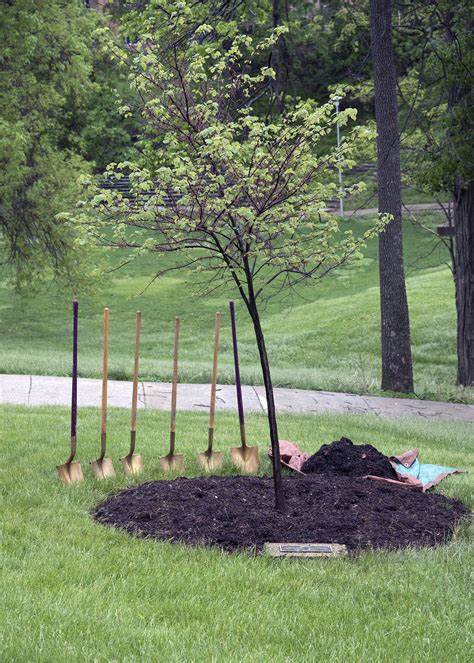
- Rituals from Different Cultures: We can incorporate culturally significant rituals, such as releasing balloons, planting a tree, or sprinkling flower petals, to honor the individual’s heritage.
5. Offering Comfort and Support
It is important to me to provide emotional support to grieving families, creating a compassionate environment where families feel heard and supported during their difficult time. I offer a safe space for family members to express their feelings, share their grief, and recount cherished memories. I can also provide practical support in organizing the service and help families navigate the emotional landscape of loss.
6. Selecting Readings and Music
I will help choose appropriate readings, poems, or music that resonate with the deceased’s spirit and reflect their life. This can include favourite quotes or passages that held significance, music, songs, hymns or readings such as the one below:
The Dash Between
There are two important dates
around the life that we live
that reflect the time we’re given
to laugh, to love, to live.
And between the date when we arrive
and the date we go away,
there exists a horizontal line
that captures every single day.
XXXX – XXXX
Because these days we’re living
seem to vanish in a flash,
we need to make the most of
that special little dash.
We are blessed with opportunities
as we tread the grounds of earth
to build the loving legacy
our own dash will be worth.
To focus on what matters,
not on what we’ve owned or bought,
and smile every chance we get,
and love with all we’ve got.
To appreciate the here and now
as each moment will unfold
because we’re never told beforehand
how much time our dash will hold
So, if you need to make some changes,
let this be the day you start
to make a difference with your life,
show the love that’s in your heart.
For how you spend this life, will someday be defined
by everything that is remembered, in the dash you leave behind.
Copyright 2024 by Linda Ellis
7. Creating a Lasting Keepsake
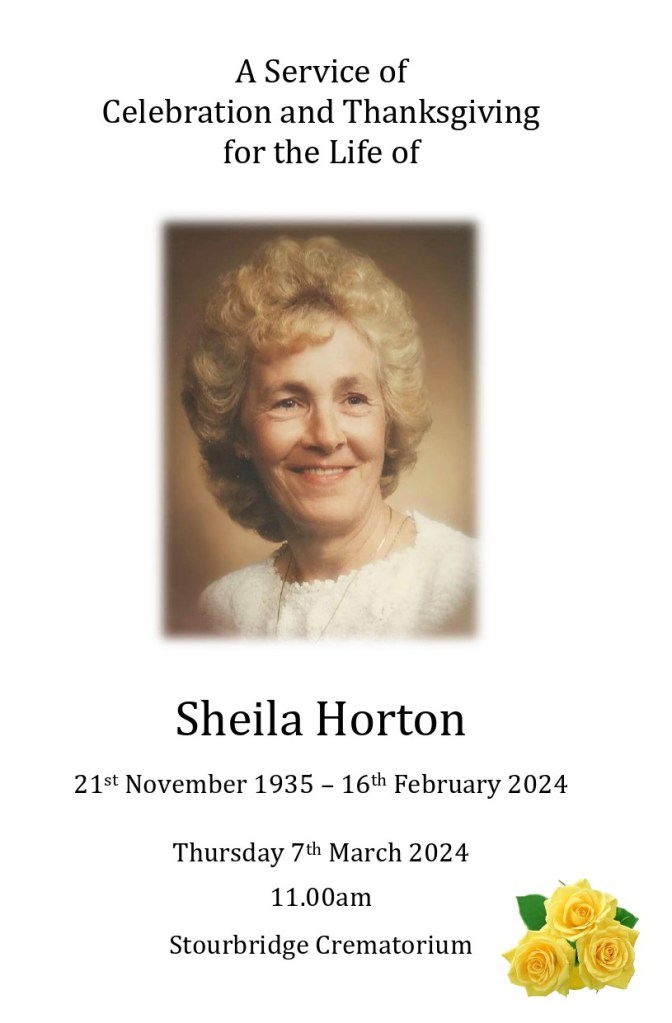
After the service, we can create a keepsake for family members, such as a printed program or a memory book. This may include service programs that attendees can take away and keep or memory books with messages and memories shared by attendees.
Memorial Service
Whilst a funeral will happen quite soon after the loss of a loved one, a memorial service can take place anytime after the passing, sometimes even on significant anniversaries or special dates. It can serve as an opportunity for friends and family who couldn’t attend the funeral to gather and remember the deceased.
A memorial service is typically less formal, memorials allow for a broader range of personal expression. They may include storytelling, songs, and reflections, focusing more on celebrating the person’s life than the rituals surrounding death.
A memorial can range from a religious service to a casual gathering, and often emphasizes storytelling, sharing memories, and celebrating the life of the person who has passed. There is typically no associated burial or interment following the service.
The service can be held in a variety of locations, such as a family home, a favorite park, a beach, or a community hall—often places that reflect the deceased’s personality or interests.
Final Thoughts:
A celebrant can provide a deeply meaningful and personalized approach to funeral or memorial services, focusing on celebrating the life and legacy of the deceased while offering support and comfort to their loved ones. By weaving together stories, memories, and rituals, a celebrant-led ceremony becomes a heartfelt tribute that honors the unique spirit of the individual, helping family and friends find solace and connection in their shared grief
 Memories and Milestones