A baby naming ceremony is a beautiful, non-religious way to welcome a new child into the world and celebrate their arrival with family and friends. As a celebrant, I have the freedom to create a completely personalized and meaningful ceremony that reflects your family’s values, culture, and love for the child. It’s an opportunity to give the child (or children) a formal introduction to the community while honouring the special people in their life.
What Happens During a Baby Naming Ceremony?
A baby naming ceremony can include a variety of symbolic actions, readings, promises, and rituals. Here’s a breakdown of how such a ceremony typically flows and the different elements you we can incorporate:
1. Introduction and Welcome
The ceremony usually begins with a warm welcome introducing the parents, family members, and perhaps sharing a brief reflection on the significance of the occasion. This is a moment to set the tone, acknowledging the love and joy that comes with the arrival of a new baby.
- Example: “Today, we gather to welcome [baby’s name] into this world, to celebrate their birth and the love that surrounds them. This ceremony is a moment to give thanks for the gift of new life and to celebrate the beginning of [baby’s name]’s journey.”
2. The Meaning of the Baby’s Name
A central part of a naming ceremony is sharing the meaning behind the baby’s chosen name. Either myself or the parents may explain why they chose the name, the significance it holds, and any cultural, familial, or personal stories tied to it. This can also include readings giving more information of the significance of the name in different cultures.
- Example: “[Baby’s name] was chosen because it means strength and courage in [language/culture]. It also honors their great-grandmother, who was an inspiring figure in the family.”
3. Parent Promises
In place of traditional godparents or religious figures, a naming ceremony often includes parental promises or vows. The parents can make heartfelt commitments to nurture and guide their child, ensuring they grow up surrounded by love, respect, and kindness.
- Example: “We, [parents’ names], promise to always support, love, and protect you, [baby’s name], as you grow into the incredible person we know you will become. We commit to teaching you compassion, honesty, and the strength to be yourself.”
4. Guideparents or Mentors
Instead of godparents, many families choose to appoint “guideparents,” mentors, or special friends to play a meaningful role in the child’s life. These people can also make promises to help guide and support the child as they grow up, creating a sense of community and care around the baby.
- Example: “[Guideparent’s name], as one of [baby’s name]’s guideparents, do you promise to offer wisdom, love, and friendship, and to be a source of strength and support for them throughout their life?”
5. Involvement of Family and Friends
We can also invite family members or close friends to participate in the ceremony by sharing readings, poems, or even personal stories. This makes the ceremony more interactive and helps the wider circle feel connected to the child’s journey.
- Example: “We invite [family member’s name] to share a special poem in honor of [baby’s name].” This could be followed by a reading of a meaningful poem, song, or quote.
6. Symbolic Rituals
There are various symbolic actions that can be incorporated into a baby naming ceremony to add meaning and visual representation to the event. Here are a few popular options:
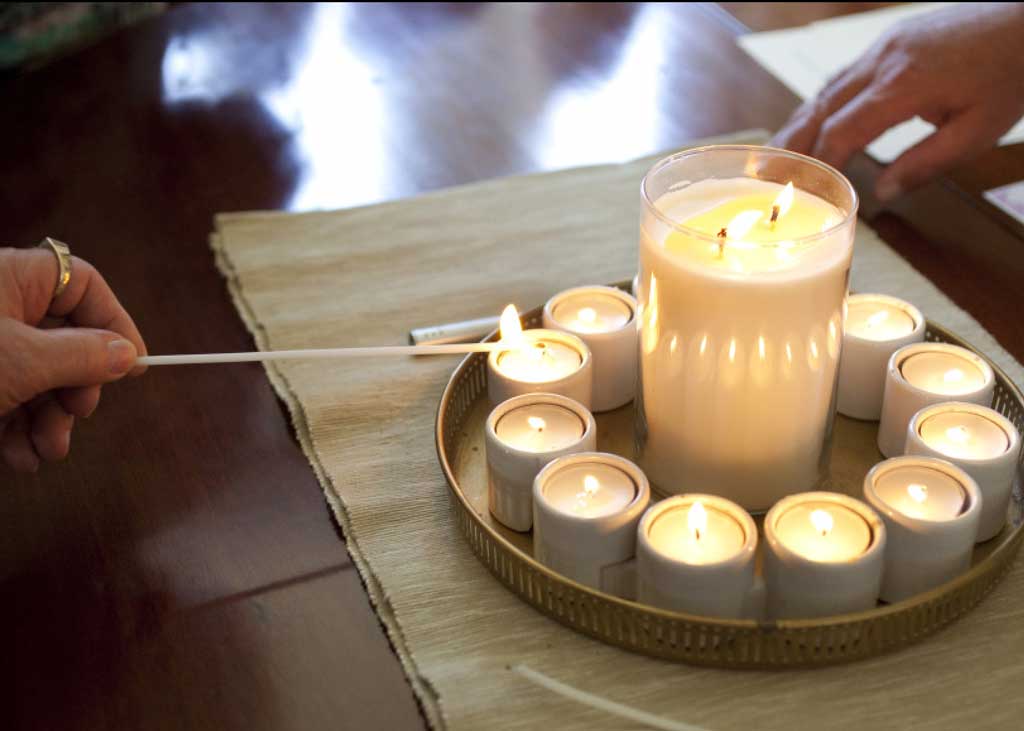
- Candle Lighting: Parents or/and guideparents light a candle to symbolize the bright future ahead for the child, or different candles can represent love, hope, and guidance.
- Planting a Tree: A tree planting ritual can symbolize growth and the nurturing care the child will receive as they grow. The family can plant a tree in their garden or a special location, symbolizing the long-lasting impact of their love and guidance. Different trees have different meanings and I can guide you through this.
- Sand Ceremony: Similar to a wedding sand ceremony, family members each pour different colored sand into a single vessel, symbolizing their individual contributions to the child’s life. The combined sand creates a unique pattern that represents the blending of love and support from family and friends.
- Wishing Stones or Memory Box: Guests write their hopes, wishes, or messages for the child on small stones or cards. These can then be placed in a jar or box, creating a lasting keepsake filled with love and wisdom for the future.
7. Final Words and Blessing
The ceremony can end with some closing words, summing up the love and joy shared by the family. It’s a time to reflect on the day, acknowledge the future, and wish the child and family all the best in their journey ahead.
- Example: “May [baby’s name] be blessed with happiness, wisdom, and strength. Surrounded by the love of family and friends, may they grow into the beautiful soul they are destined to be.”
8. Certificate of Naming
As a final touch, I can offer a keepsake certificate to commemorate the baby’s naming ceremony. This can be signed by the parents, guideparents, and even guests, creating a lasting memory of the special day.
Final Thoughts:
A celebrant-led baby naming ceremony offers a heartfelt and personal way to celebrate the arrival of a new child. It’s a beautiful opportunity to reflect on the joy of new life, express love and promises for the future, and involve family and friends in the celebration. With symbolic rituals, personalized vows, and meaningful moments, this ceremony creates lasting memories that will be cherished for years to come.
 Memories and Milestones